 Color Road
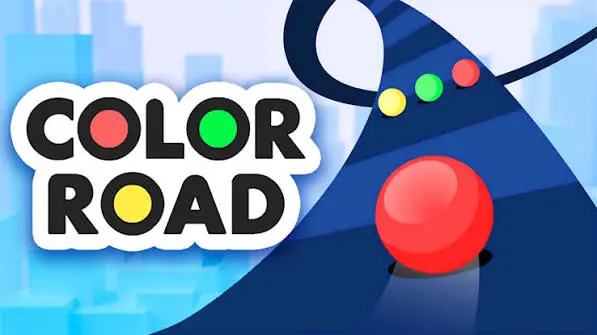
 is a fast-paced reaction game where players roll a ball along a winding track, matching colors with obstacles to keep moving and racking up points. The game starts slow but quickly accelerates, demanding sharp reflexes and quick color recognition. Available to play unblocked, it works solo or with a friend and rewards quick thinking over complex strategy.
Some games take hours to learn. Color Road isn't one of them. You roll onto the track, you see a wall of colored balls ahead, and within seconds you understand exactly what you need to do: match your color, keep rolling, don't crash. That simplicity is exactly why it's become such a popular pick-up-and-play title for anyone looking to kill five minutes or chase a new personal best.
What makes Color Road stand out isn't flashy graphics or a complicated storyline. It's the tension between how easy the rules are to understand and how hard the game becomes to actually play well. That gap between simple and difficult is where most addictive games live, and Color Road sits right in the middle of it.
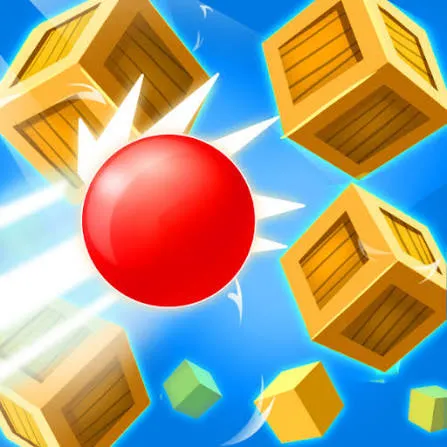
Color Road is a reaction-based arcade game where you guide a rolling ball down a bright, twisting track. Scattered across the road are clusters of colored balls, and only the ones matching your ball's current color will let you pass through safely. Hit the wrong color, and your run ends.
Here's the twist: your ball's color doesn't stay the same. Every time you jump or pass through a color gate, your ball changes to match whatever comes next. So you're not just reacting to the road, you're reacting to your own ball's shifting identity as you move. It sounds confusing written out, but in practice, it clicks almost instantly once you start playing.
The track itself bends, curves, and narrows as you progress, adding a layer of spatial awareness on top of the color-matching mechanic. You're not just watching for color. You're watching your position on the road, too.
Color Road uses a classic difficulty curve: slow start, gradual acceleration, sudden spikes. In the opening seconds, the ball moves at a manageable pace, giving you time to understand the pattern of colors ahead. But that calm doesn't last long.
As your score climbs, the game speeds up. The road throws more color changes at you in tighter sequences, and the margin for error shrinks fast. What felt easy thirty seconds ago suddenly requires split-second decisions. This is intentional design. Games that ramp up difficulty gradually tend to keep players engaged longer because each small increase feels achievable, even as the overall challenge compounds.
This is also why Color Road rewards repeated play. You're not memorizing a fixed level. You're training your reflexes and color recognition speed, which means every attempt makes you marginally sharper for the next one.
Two things matter most in Color Road: visual reaction time and color discrimination under pressure.
Visual reaction time determines how quickly you can process what's ahead on the road and adjust your path. Since the game doesn't slow down to let you think, your eyes and hands need to work almost on instinct rather than deliberate calculation.
Color discrimination becomes trickier than it sounds once the game speeds up. At higher speeds, similar shades can blur together for a split second, and misjudging a color is often what ends a run. Players who do well tend to focus on the immediate next obstacle rather than trying to plan several moves ahead, since the game changes too fast for long-term strategy to hold up.
Choose a steady, focused playstyle if you're aiming for a high score, rather than one built on fast, reckless reactions. Rushing to match colors without the right timing tends to introduce the exact unforced errors that cause game-ending collisions.
Yes. Color Road supports a solo mode for players who want to beat their own personal record, as well as a mode where you and a friend can play side by side. This adds a layer of friendly competition that single-player score chasing doesn't quite replicate. Playing with someone else also tends to highlight how much reflex speed varies from person to person, since the same track can feel completely different depending on who's controlling the ball.
If you're introducing someone new to the game, playing together is a good way to let them see the mechanics in action before diving in solo. Watching someone else react to the color changes often makes the rules click faster than reading an explanation.
Part of Color Road's appeal comes down to accessibility. There's no lengthy tutorial, no complicated control scheme, and no waiting around for the action to start. You jump in, the ball starts rolling, and you're immediately testing your reflexes against the track.
The bright color palette and responsive sound design also play a role. Visual and audio feedback in arcade-style games like this one helps players register their mistakes and successes instantly, which keeps the gameplay loop satisfying even when a run ends quickly. Short, replayable sessions like this tend to perform well because they fit into small pockets of free time, whether that's a quick break or a few minutes before switching to something else.
Combine that accessibility with a real sense of progression, since every run gives you a concrete number to try to beat, and you get a game that's easy to return to again and again.
Color Road isn't a game you master in one sitting. It's a game you get incrementally better at, one run at a time, as your reflexes adjust to its rhythm. The core loop, color matching, quick reactions, rising difficulty, is simple enough to explain in a sentence but deep enough to keep players coming back for just one more attempt.
If you're looking for a game that rewards focus over complexity and gives you an immediate, visible way to track improvement, Color Road is worth spending a few rounds with. Start slow, pay attention to how the color changes line up with your ball's shifts, and let your reaction time build naturally through repetition.
You control a rolling ball on a winding track and must pass through gates or clusters of balls that match your ball's current color. Each jump changes your ball's color, so you have to continuously track what color comes next.
No. The core mechanic, matching colors, is easy to understand within the first few seconds of play. The challenge comes from the increasing speed as your score rises, not from complicated rules.
Yes, Color Road offers a mode where two players can play alongside each other, making it a good option for casual competition between friends.
The game gradually increases its speed as you progress, requiring faster reactions and sharper color recognition the longer you survive. This rising difficulty curve is part of what keeps runs feeling challenging even after repeated plays.
Quick visual reaction time and accurate color discrimination under pressure are the two most important skills. Staying focused on the immediate next obstacle, rather than planning several moves ahead, tends to produce better results than rushing.